Smart Glasses for Cycling: What Actually Matters in 2026
Most smart glasses are built for walking around town. Here's the short list of features that make camera glasses genuinely useful on a road or gravel bike.
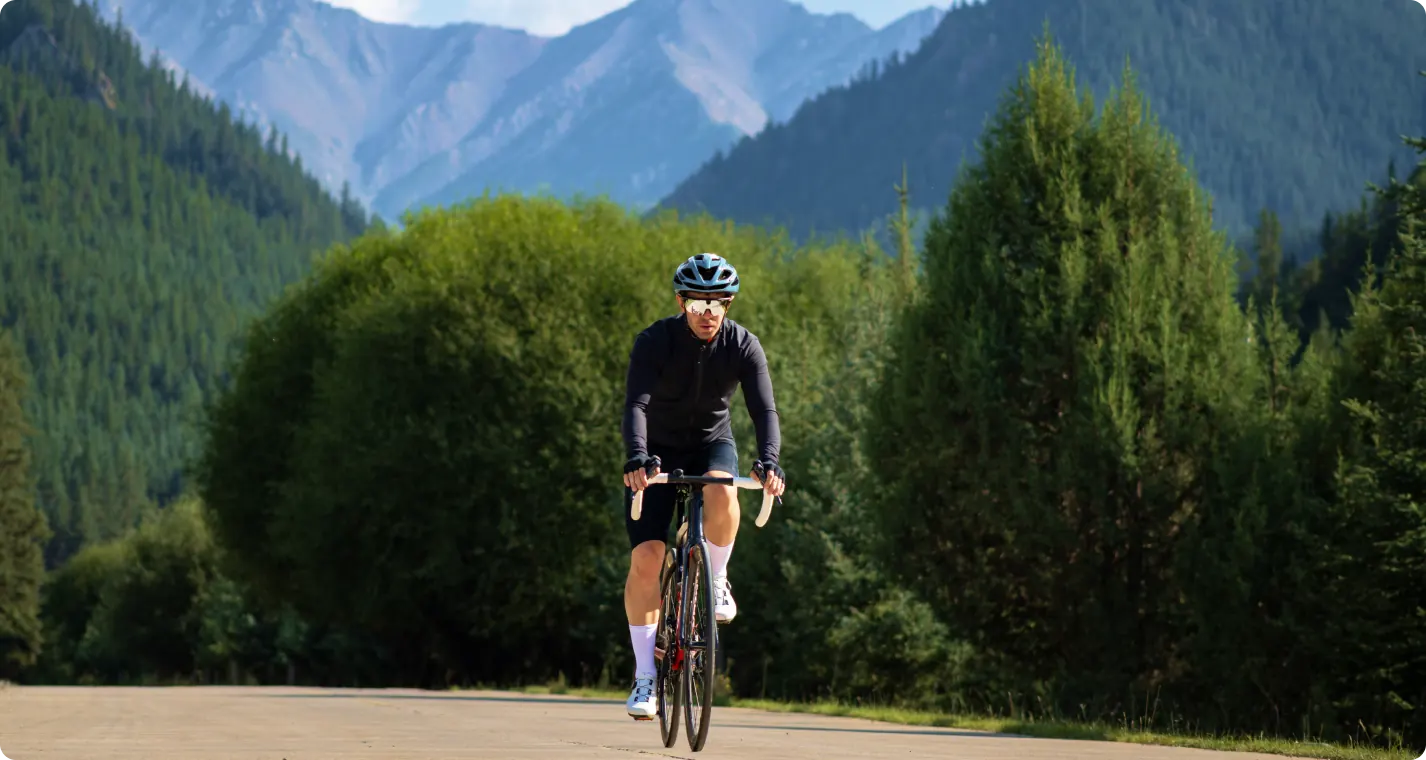
Smart glasses have gone mainstream, but most are designed for city streets and coffee shops. On a bike you're in a tucked position, moving at 30+ km/h into the wind, sweating, and sharing the road with cars. That changes what matters.
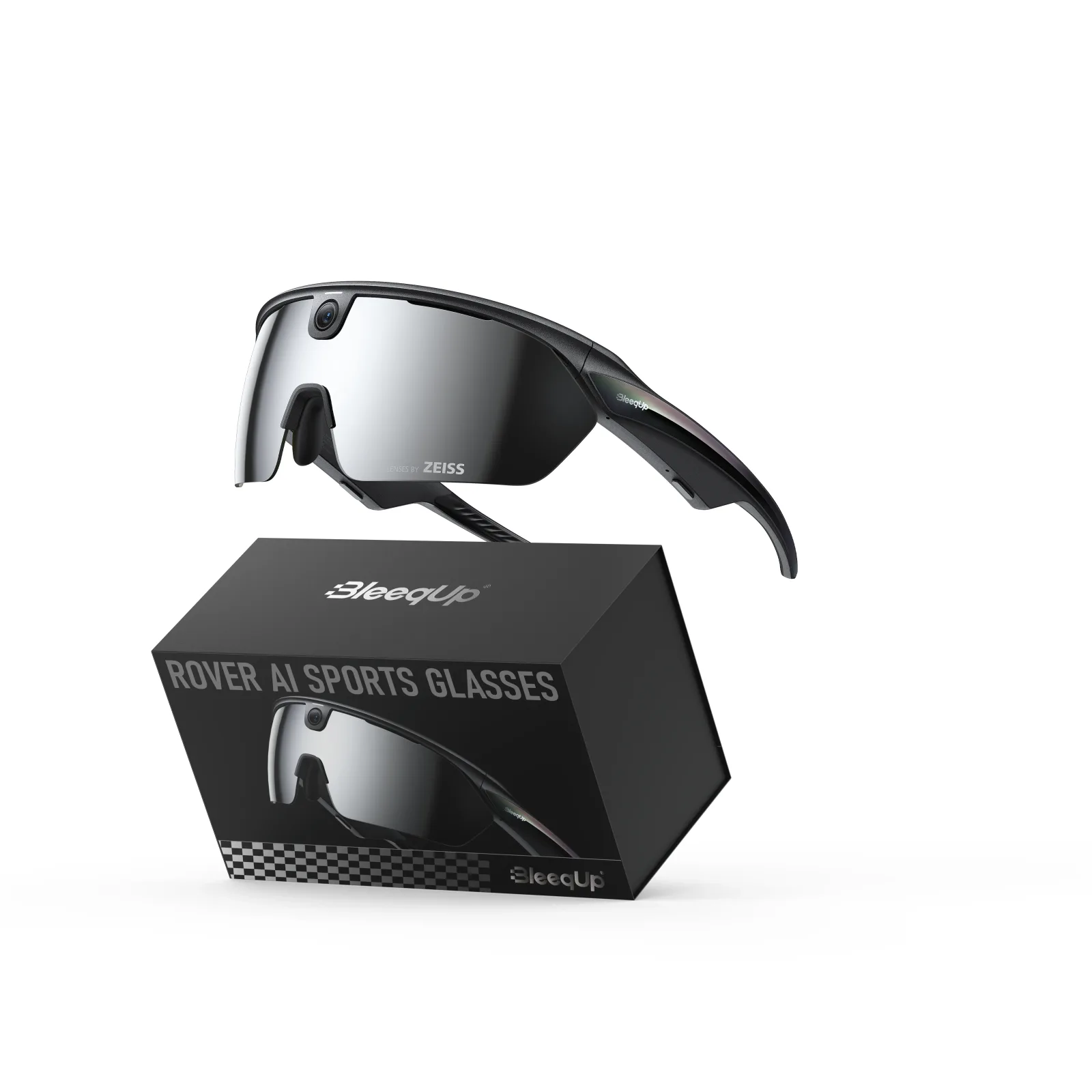
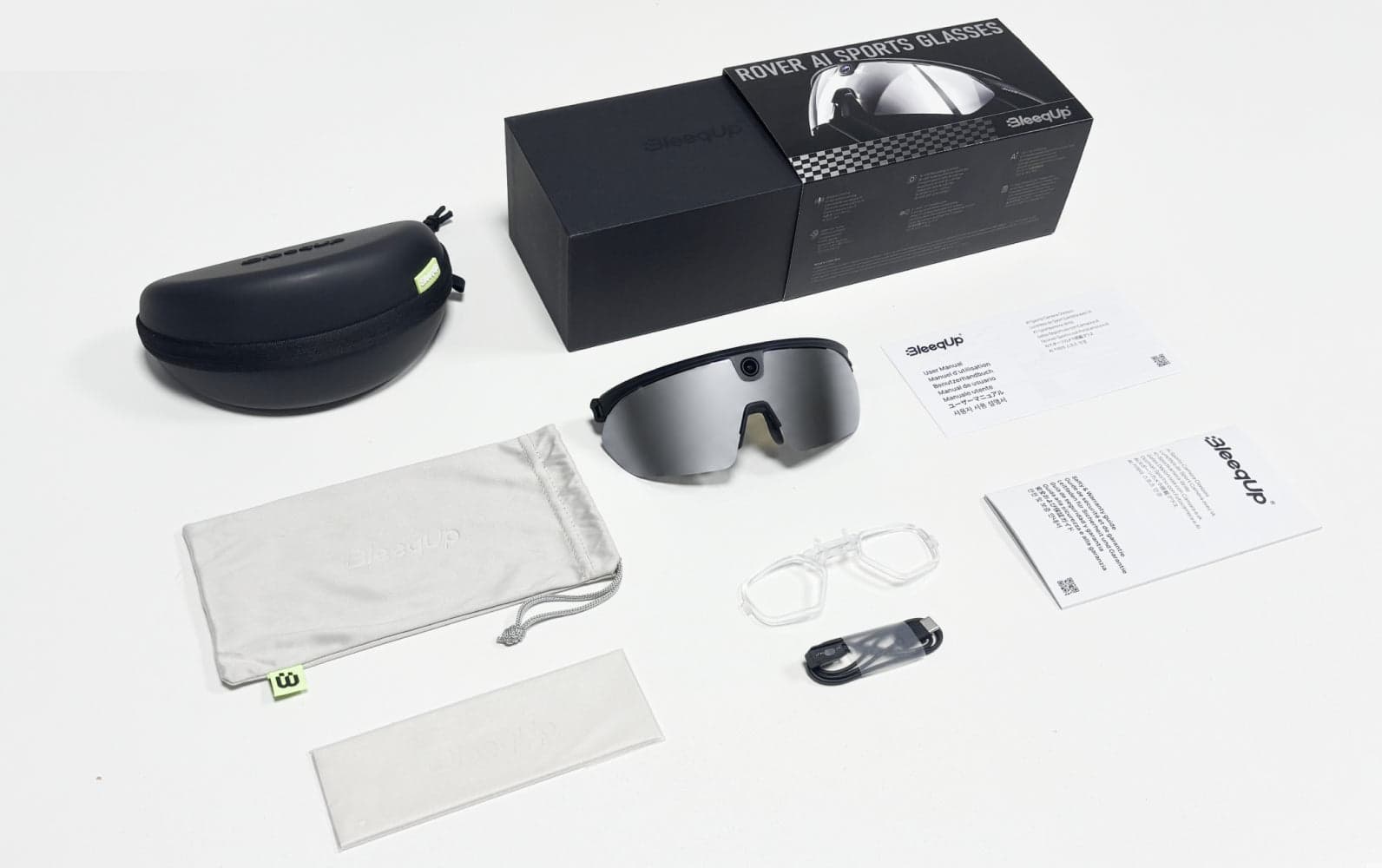
Here are the seven features worth paying for in cycling smart glasses, with the BleeqUp Rover as the reference since it was built for riding first.
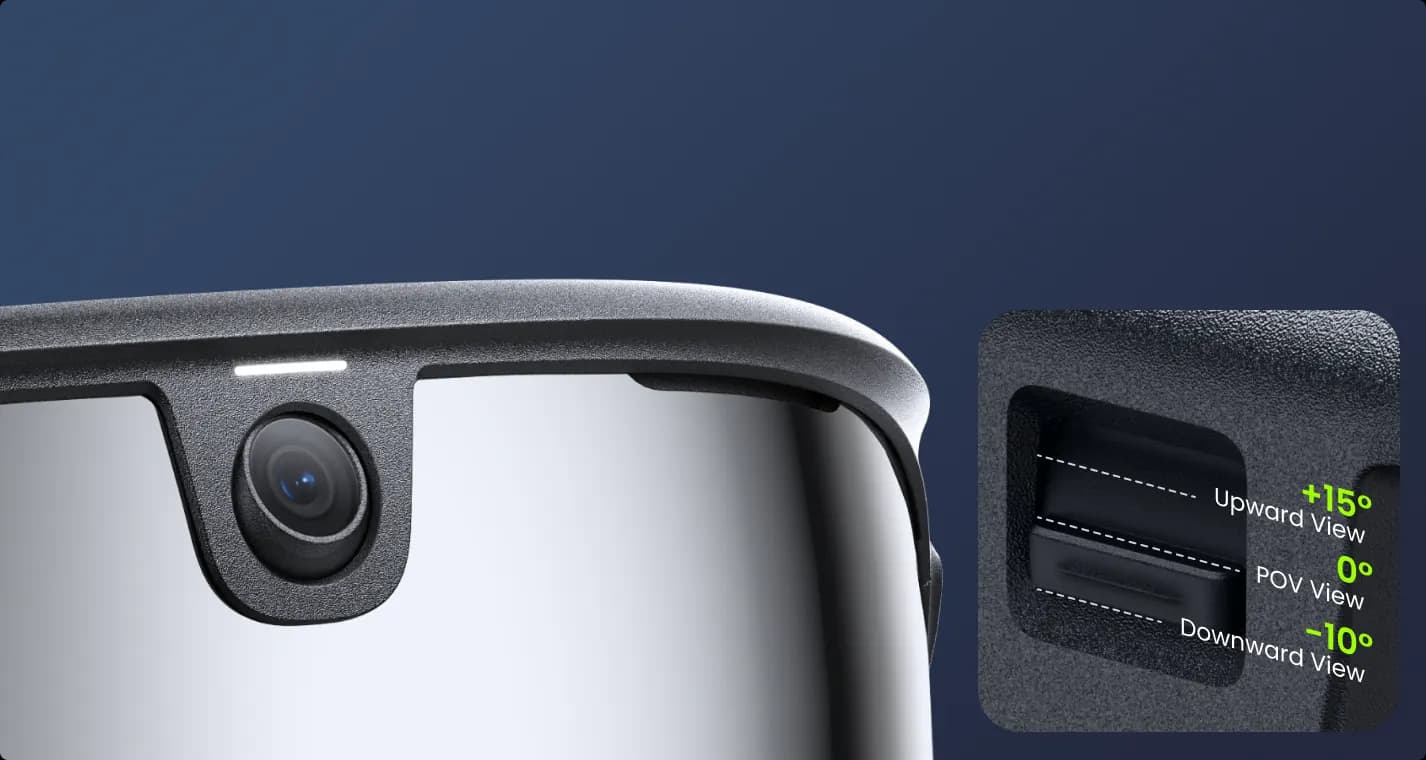
1. A camera that tilts for riding posture
On drops or aero bars your head tilts down and you look up through the top of your lenses. A fixed camera then films your front wheel. Rover's has a 15° setting made for cycling posture, plus −10° to clear a helmet brim and 0° for upright riding. It's the single most important cycling-specific feature.
Shop this article
Prices in CAD. Free standard shipping over $500 CAD.
Open-ear audio is useless if the wind drowns it out. Rover's wind noise reduction keeps music, calls, and voice guidance clear at speeds up to 35 km/h, and its 5-mic array means riding partners hear you over the wind too.
3. Open-ear audio instead of earbuds
Earbuds block traffic, sirens, and other riders. Open-ear speakers sit outside your ear canal so you hear your route guidance and the car behind you. Many riders, clubs, and some jurisdictions discourage or restrict earbuds while cycling, so open-ear audio is the safer way to ride with sound. Check your local rules.
4. Automatic incident recording
Dashcams for bikes are a big reason riders buy camera glasses. Rover's AI Emergency Recording detects sudden braking and starts recording automatically, even when the camera is off. A 10-second pre-recording captures what happened before the event, and AI flags close passes or crashes in the footage.
5. Proactive ride alerts and group talk
Rover uses map and real-time weather data to warn you about upcoming climbs, descents, sharp turns, and changing conditions (currently English only). On group rides, real-time walkie-talkie through the BleeqUp app replaces shouting down the paceline, and Rover supports multiple walkie-talkie groups.
6. The right lens for the light
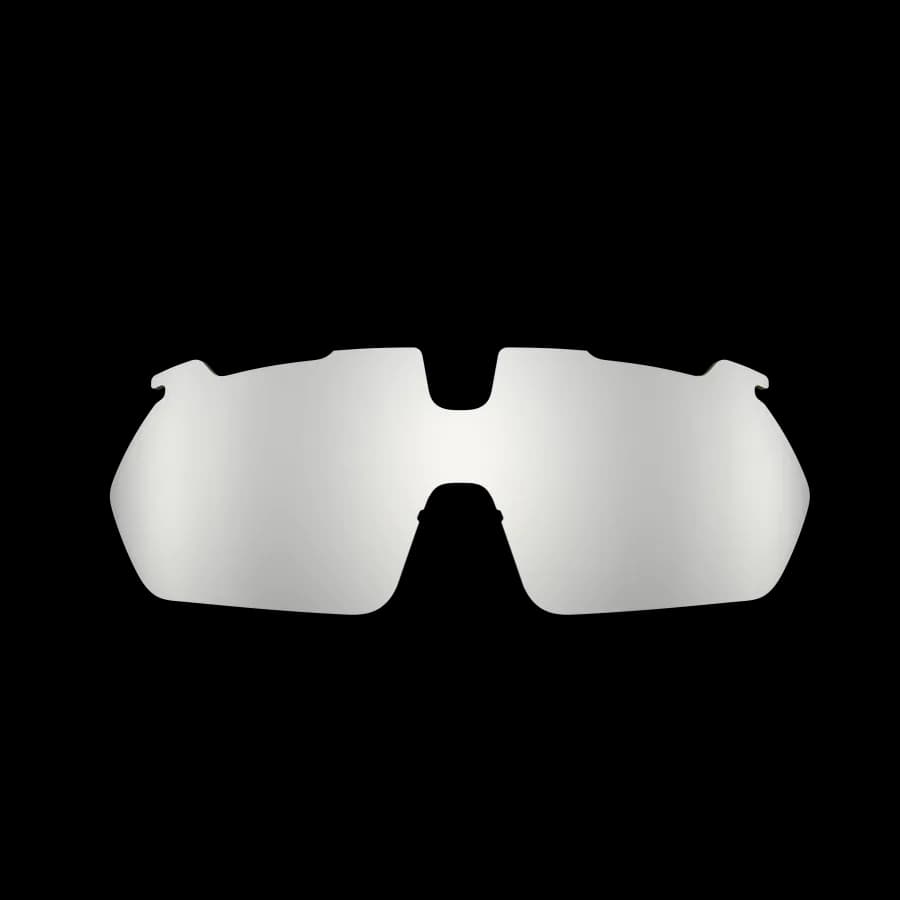
Cycling means early starts, tree cover, and tunnels. Rover lenses are UV400 and swappable:
Photochromic lens: adapts as light changes, ideal for dawn rides and forest gravel. Shop photochromic.
Polarized lens: cuts glare off wet roads and water. Note that polarized lenses can make some bike computer screens harder to read at certain angles. Shop polarized.
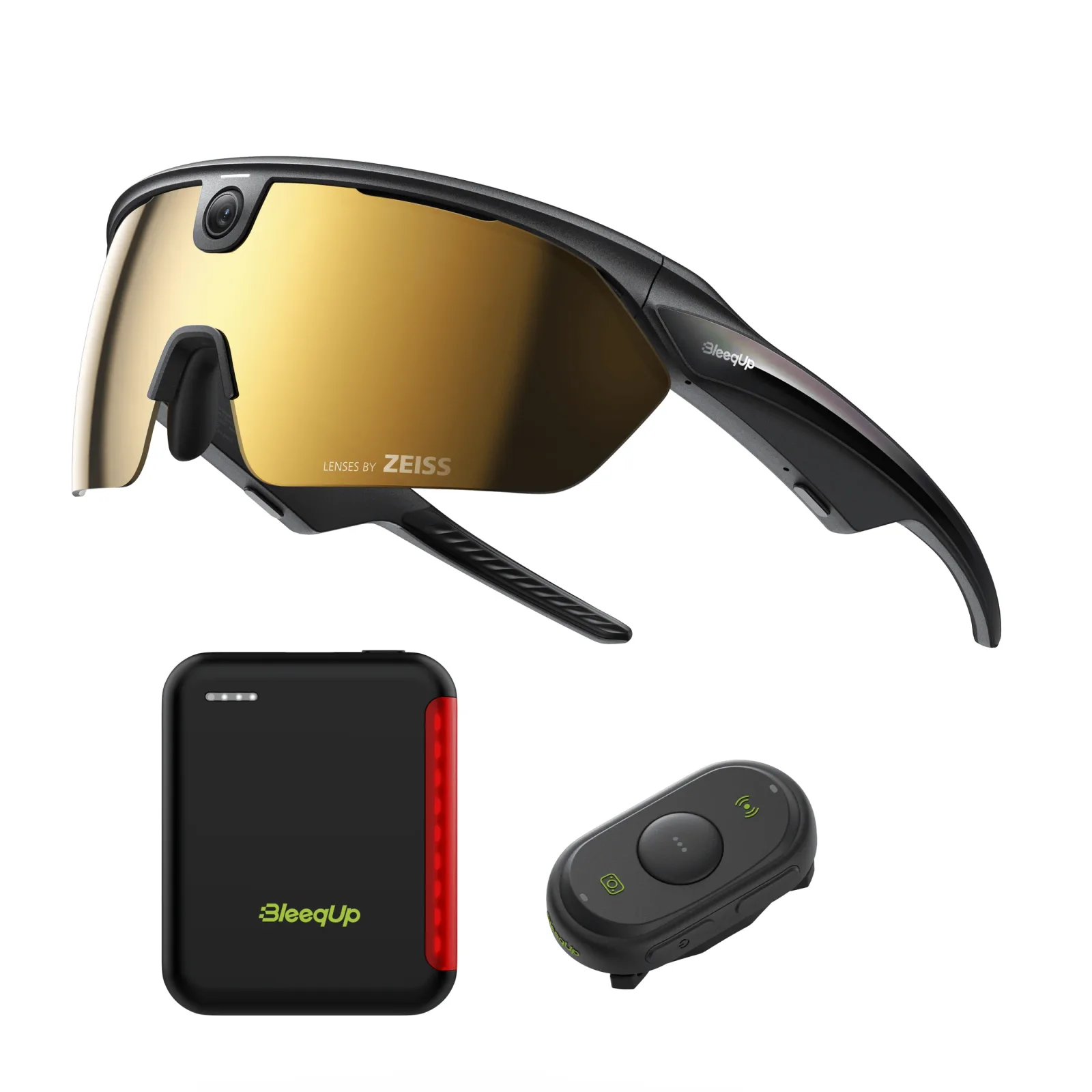
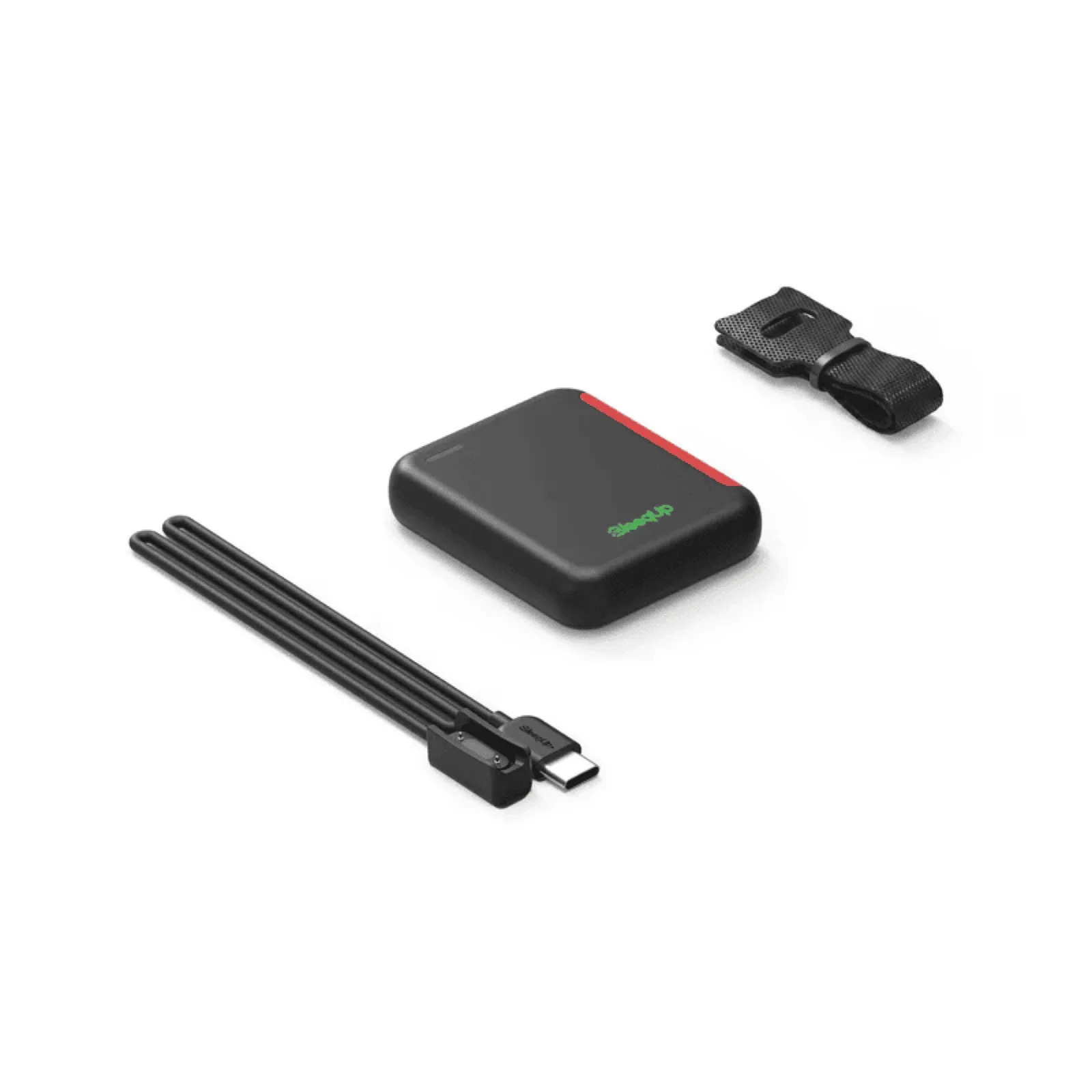
Rover records about 1 hour of video and up to 8 hours of audio on its built-in battery, and quick-charges in an hour. For a century or an all-day gravel event, Rover Power Plus extends total recording time to up to 5 hours or audio to 48 hours. Pair it with the Bluetooth Controller to start and stop recording without taking a hand off the bars. Both come in the Rover Bundle.
What to skip
Heavy frames. Over a few hours, every gram is felt on your nose. Rover's frame is 53 g with a three-axis adjustable nose pad.
No water resistance. Sweat and rain are guaranteed. Look for IP65 (Rover) or at least IP54 (Ranger).
Fixed, straight-ahead cameras if you ride drops. See point 1.
Rover or Ranger for cycling?
Ranger is a great all-sport camera glass with 3K60, EIS, and 120° FOV. For dedicated cyclists, Rover's tilt camera, HDR, night mode, emergency recording, and ride alerts make it the better pick. See the full Rover vs. Ranger comparison, or read camera glasses vs. action cameras if you're still deciding on format.
Frequently asked questions
Can you wear smart glasses while cycling?+
Yes. Choose open-ear audio over earbuds so you can still hear traffic, make sure the lenses are rated UV400, and check local rules on audio devices while riding.
Do cycling camera glasses work as a bike dashcam?+
BleeqUp Rover's AI Emergency Recording detects sudden braking and records automatically with a 10-second pre-recording, even when the camera is off. That makes it a useful incident recorder.
How do I stop camera glasses from filming the road on drop bars?+
Use a camera that tilts. Rover's 15° tilt setting is designed for cycling posture so the frame stays on the road ahead.
Are BleeqUp Rover glasses waterproof?+
Rover is rated IP65, so it handles rain, sweat, and dust. It is not designed for submersion.