Can You Fly With an Electric Golf Trolley Battery? Canadian Airline Rules Explained
The frame can usually travel as sports equipment. The lithium battery is another story. Here's how to read the watt-hour label and plan a golf trip around it.
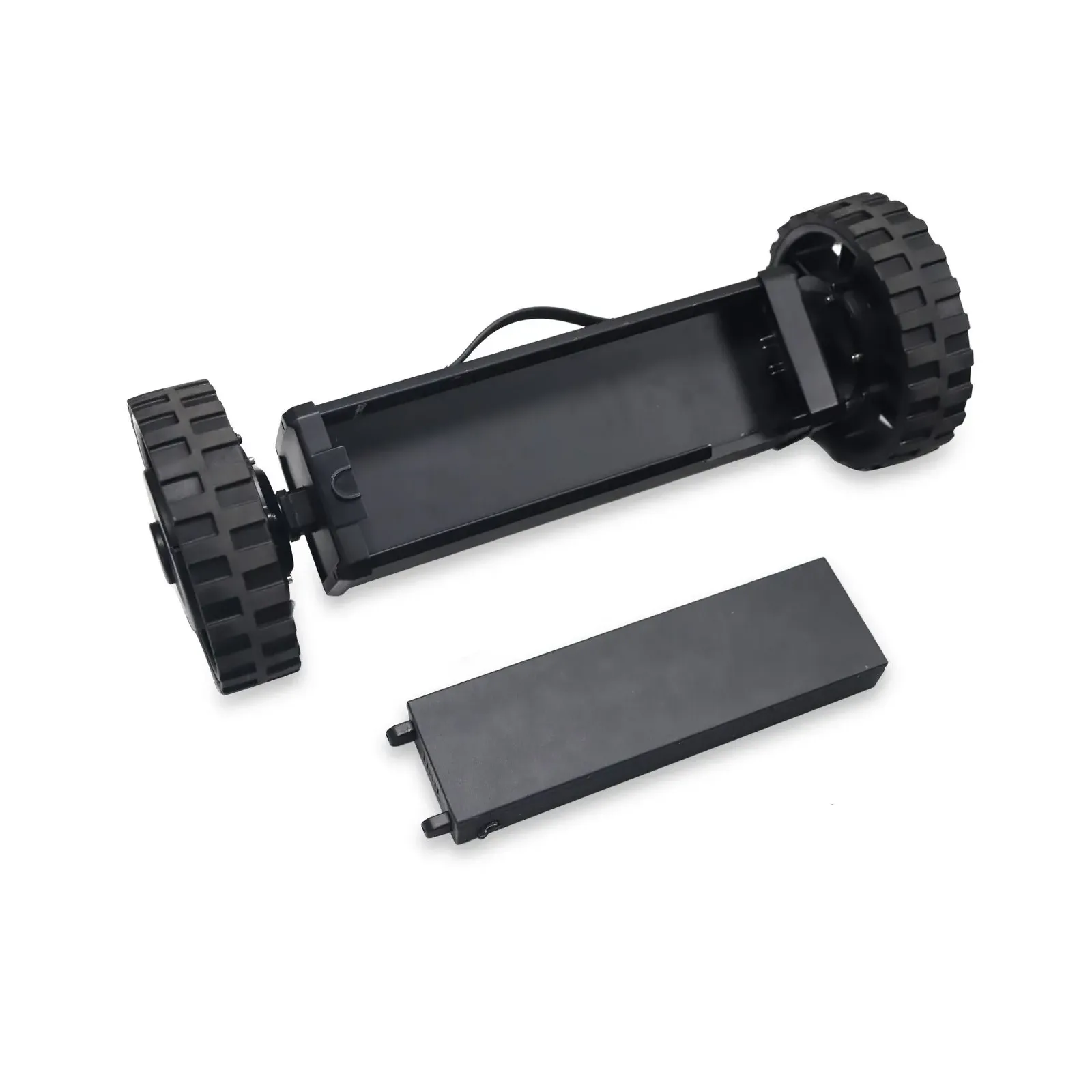
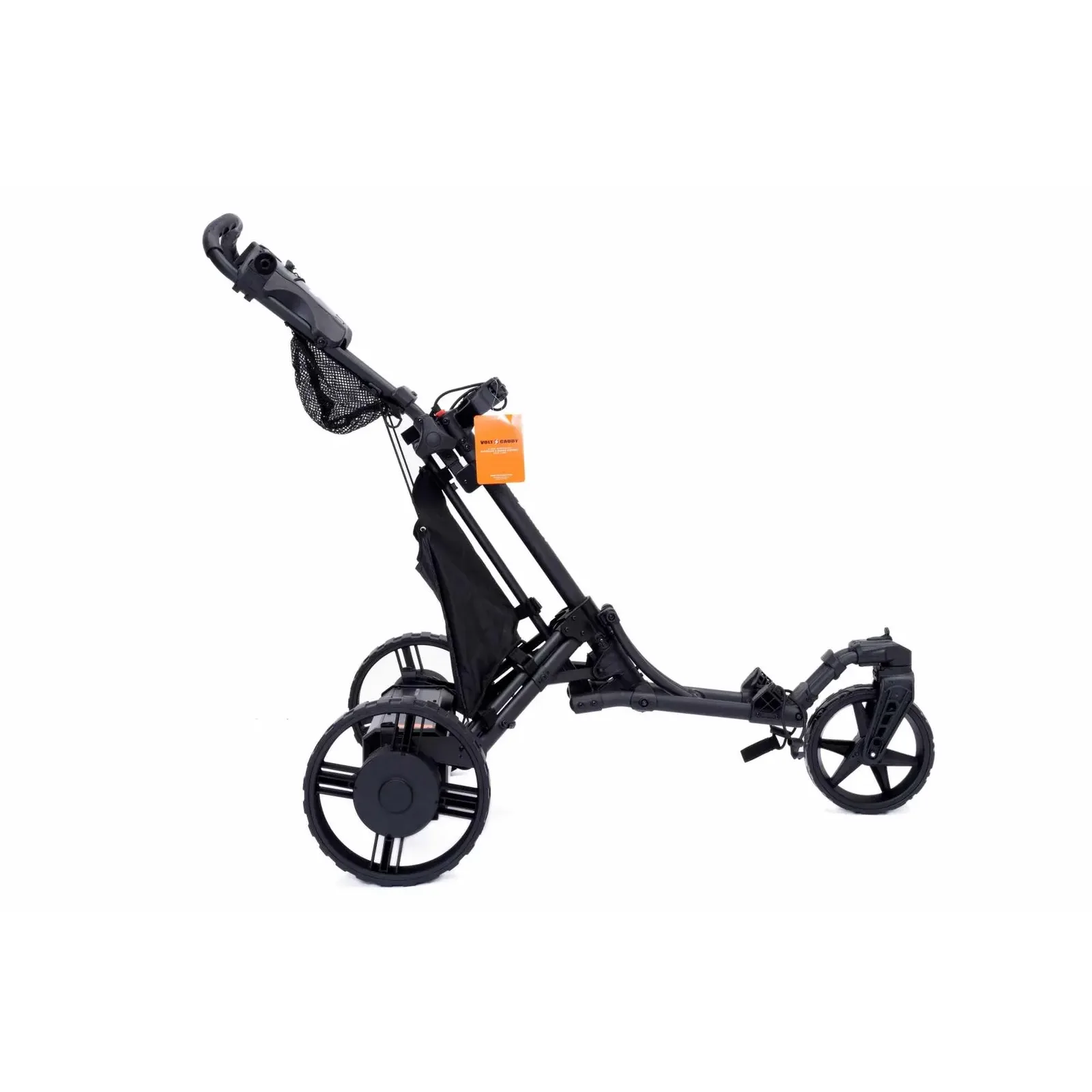
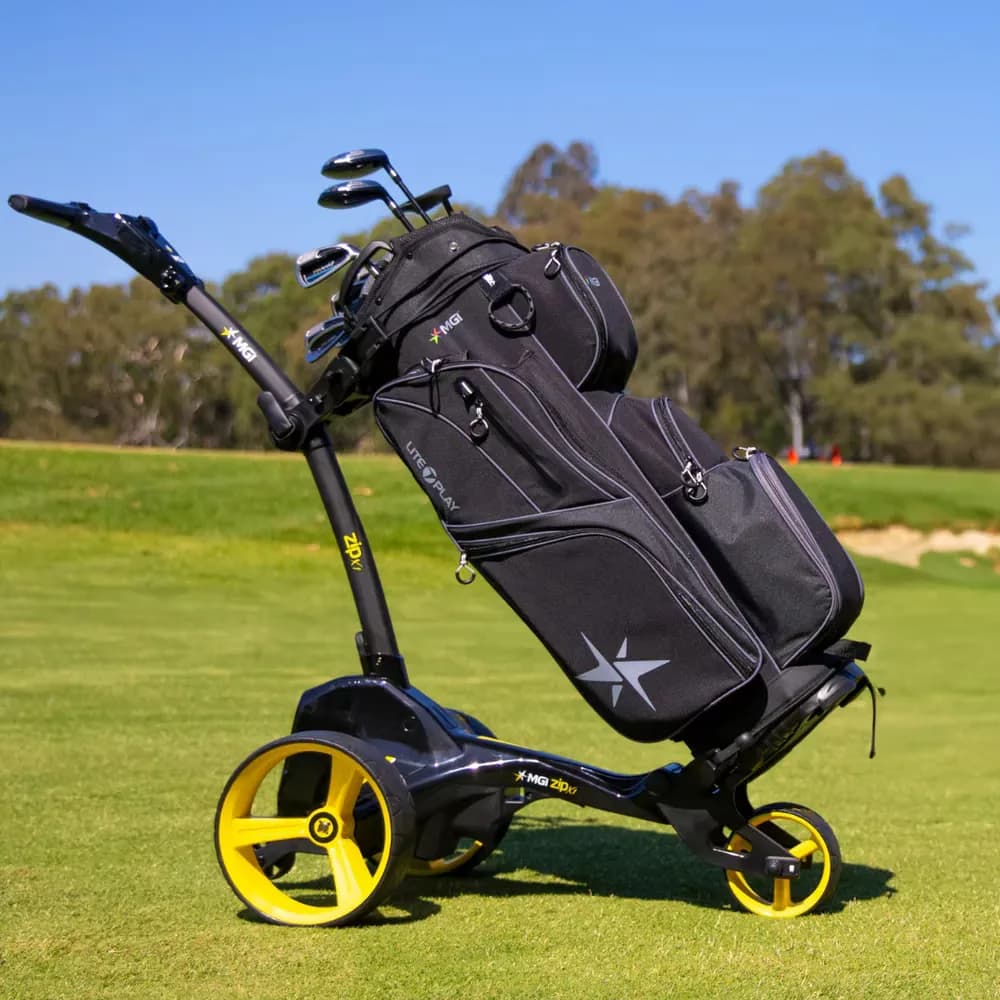
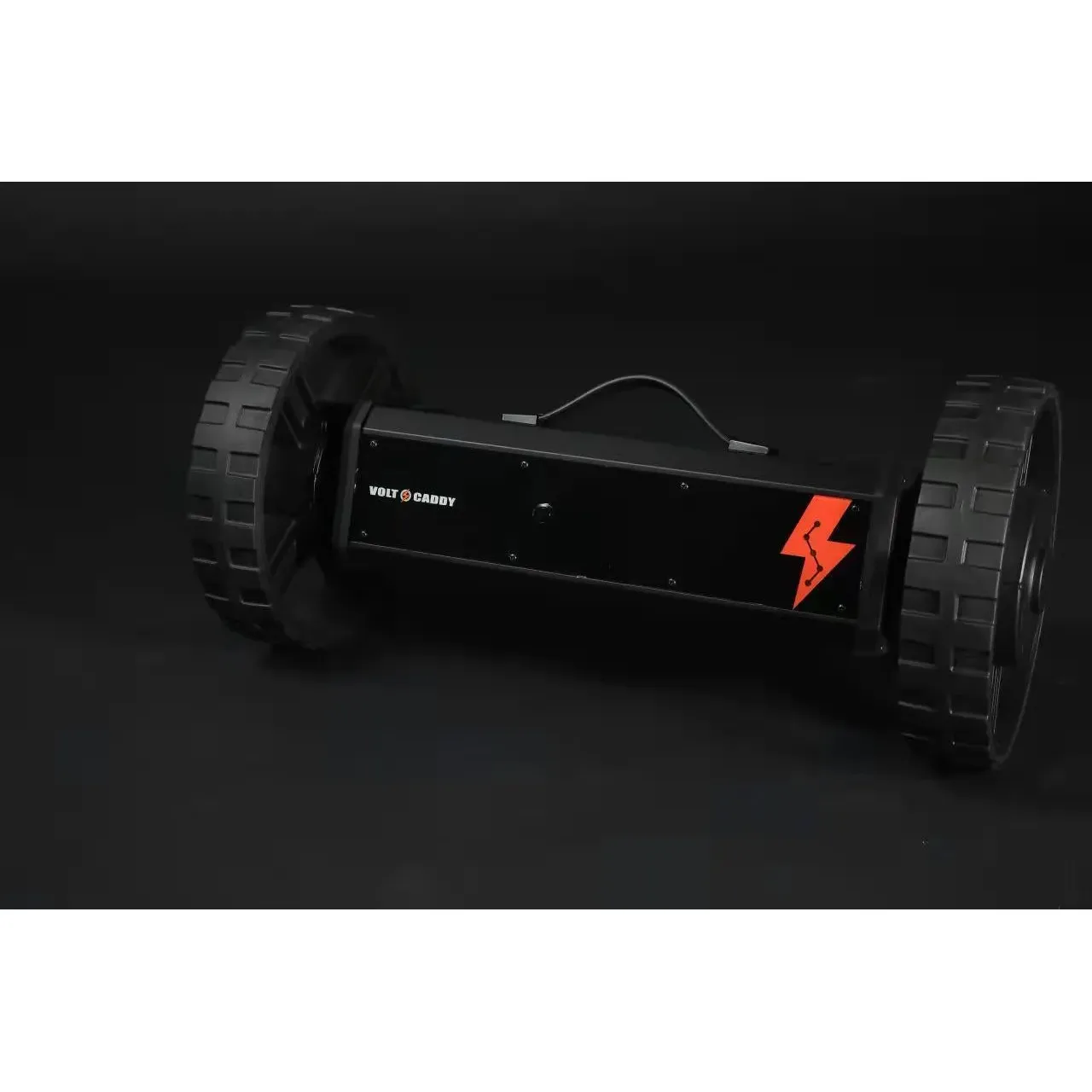
Winter golf trips south are a Canadian tradition, and once you've walked with an electric trolley it's hard to go back to a pull cart or a rental. The good news: a folded trolley frame can usually travel like other sports equipment. The catch is the lithium battery, which airlines treat as dangerous goods. Whether it can fly comes down to one number printed on the pack.
The number that matters: watt-hours (Wh)
Shop this article
Prices in CAD. Free standard shipping over $500 CAD.
Airline battery limits are written in watt-hours (Wh), which measures how much energy the battery stores. Many trolley batteries list it on the label. If yours only shows volts and amp-hours, multiply them: volts × amp-hours = watt-hours. A 24 V battery rated at 10 Ah, for example, is 240 Wh.
To give you a sense of scale, here are the ratings published for some of the carts we sell:
Published battery ratings for selected electric golf carts
For other carts, including the Volt Caddy Pro-S and Motocaddy's 28 V CLICK 'N' CONNECT batteries, read the label on your own pack rather than guessing.
The limits for flights in Canada
The Canadian Air Transport Security Authority (CATSA) publishes the screening limits for lithium-ion batteries, and most airlines follow the same International Air Transport Association (IATA) thresholds:
100 Wh or less: allowed in carry-on. Spare batteries this size belong in your carry-on, not checked bags.
101 to 160 Wh: allowed in carry-on with airline approval, and no more than two spares per person.
Over 160 Wh: not allowed in carry-on at all. In checked baggage it needs explicit airline approval.
Full-size golf trolley batteries are built to power a cart for 18 to 36 holes, so they typically land well above 160 Wh. Every rating in the table above does. In practice that means plan on your regular trolley battery staying home unless your airline has confirmed, in writing, that it will accept it.
What can travel: the frame and your accessories
Remove the battery and leave it at home, charged to roughly half for storage. Our winter battery storage guide covers how.
Fold the frame and protect it. Pad the handle, console, and wheel axles, and pack it in a hard case or well-padded travel bag.
Ask how it will be counted. Airlines usually handle golf gear as sports equipment, but a trolley frame may count as an extra bag. Check size, weight, and fees before you book.
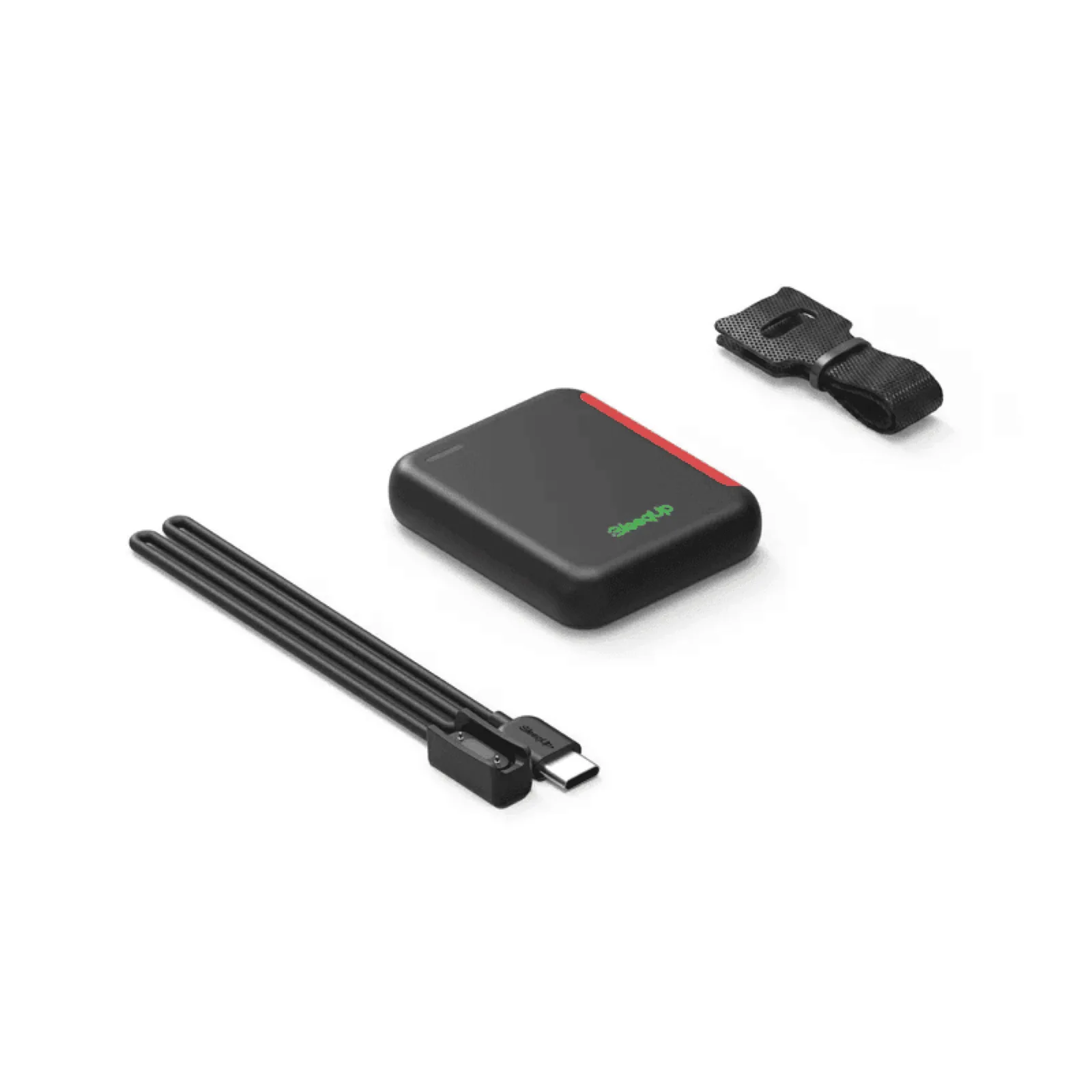
Keep remotes and small electronics in your carry-on. Small lithium batteries, such as a remote handset or the Rover Power Plus, belong in the cabin.
Options when the battery can't fly
Drive instead. There's no watt-hour limit in your own car. Keep the battery out of a hot trunk in summer, and let a cold battery warm to room temperature before charging it.
Rent at your destination. Many golf destinations rent electric trolleys or push carts. Call the course or a local shop ahead.
Ask about a travel battery. Some trolley brands offer smaller batteries designed to meet airline limits. If you're shopping for a cart and travel often, ask the manufacturer whether one exists for that model.
Ship it properly, or not at all. Shipping a lithium battery is regulated as dangerous goods. Ask the courier about its requirements before you pack one, and never hide a battery in a golf bag or suitcase.
Why airlines are strict about this
A damaged or short-circuited lithium battery can overheat, and a fire in a cargo hold is hard to detect and fight. That's why the rules focus on stored energy (Wh), protecting the terminals, and keeping batteries where the crew can reach them. Transport Canada says thousands of items are removed from checked luggage at Canadian airports each year because of improperly packed or non-compliant lithium batteries.
Can I take a golf trolley lithium battery on a plane in Canada?+
Usually not. Batteries over 160 Wh are not allowed in carry-on and need explicit airline approval for checked baggage, and full-size golf trolley batteries are normally well above 160 Wh. Check the label on your battery and ask your airline before you travel.
How do I work out my trolley battery's watt-hours?+
Multiply the voltage by the amp-hour rating. A 24 V, 10 Ah battery is 240 Wh. Many batteries also print the Wh rating on the label.
Can I check the golf trolley frame without the battery?+
Generally yes. With the battery removed, the frame is ordinary sports equipment or baggage. Pack it well, and check your airline's size, weight, and fee rules for sports equipment.
Can I bring my BleeqUp glasses and Power Plus on a flight?+
Yes. BleeqUp lists the Rover and Ranger Power Plus batteries as approved for carry-on luggage. Keep them, and any spare lithium batteries, in your carry-on bag.