Polarized vs. Photochromic vs. ZEISS Lenses: Which Sport Lens Should You Ride With?
One lens can't be perfect at dawn, noon, and in a tunnel. Here's how polarized, photochromic, and fixed-tint ZEISS lenses differ, and how to pick for your sport.
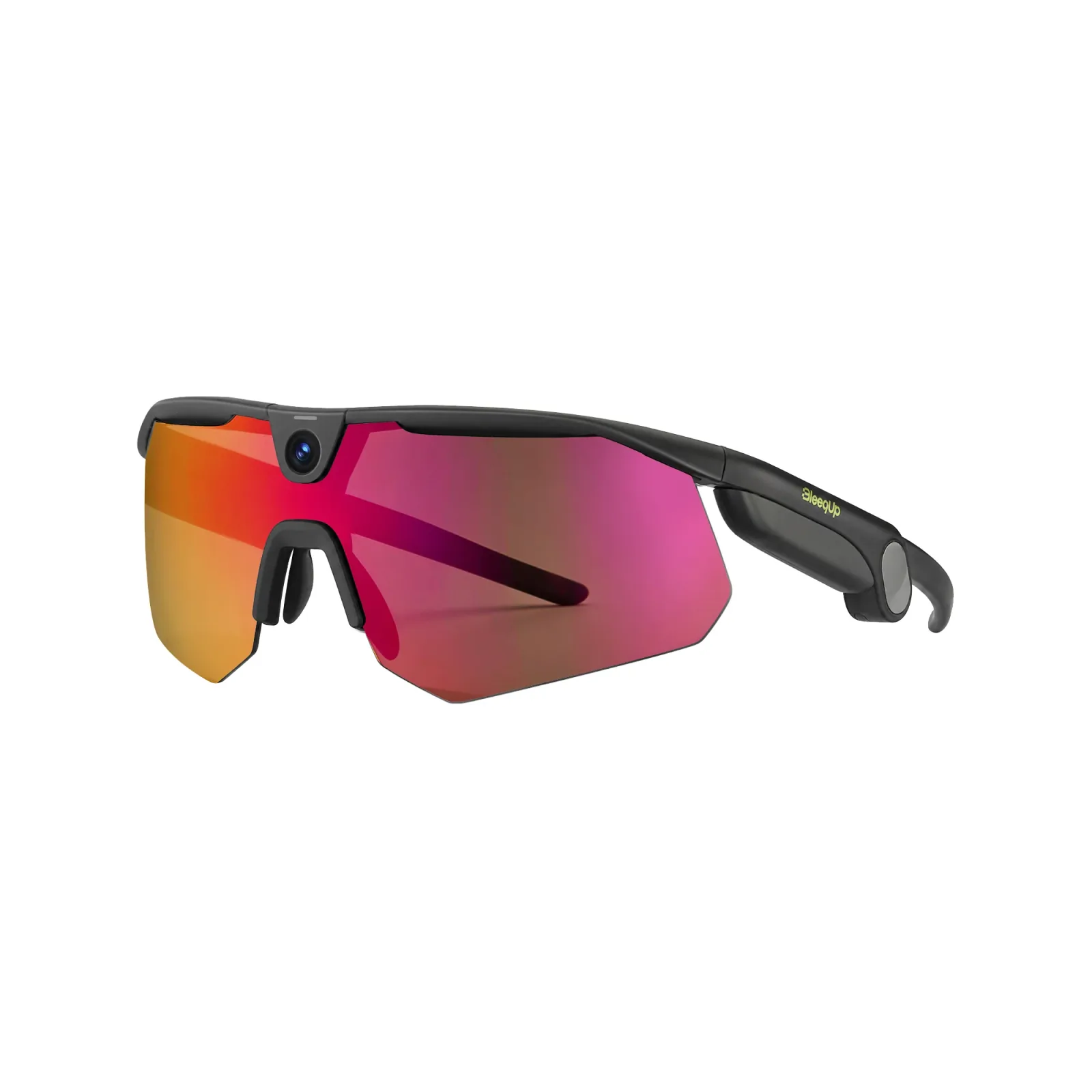
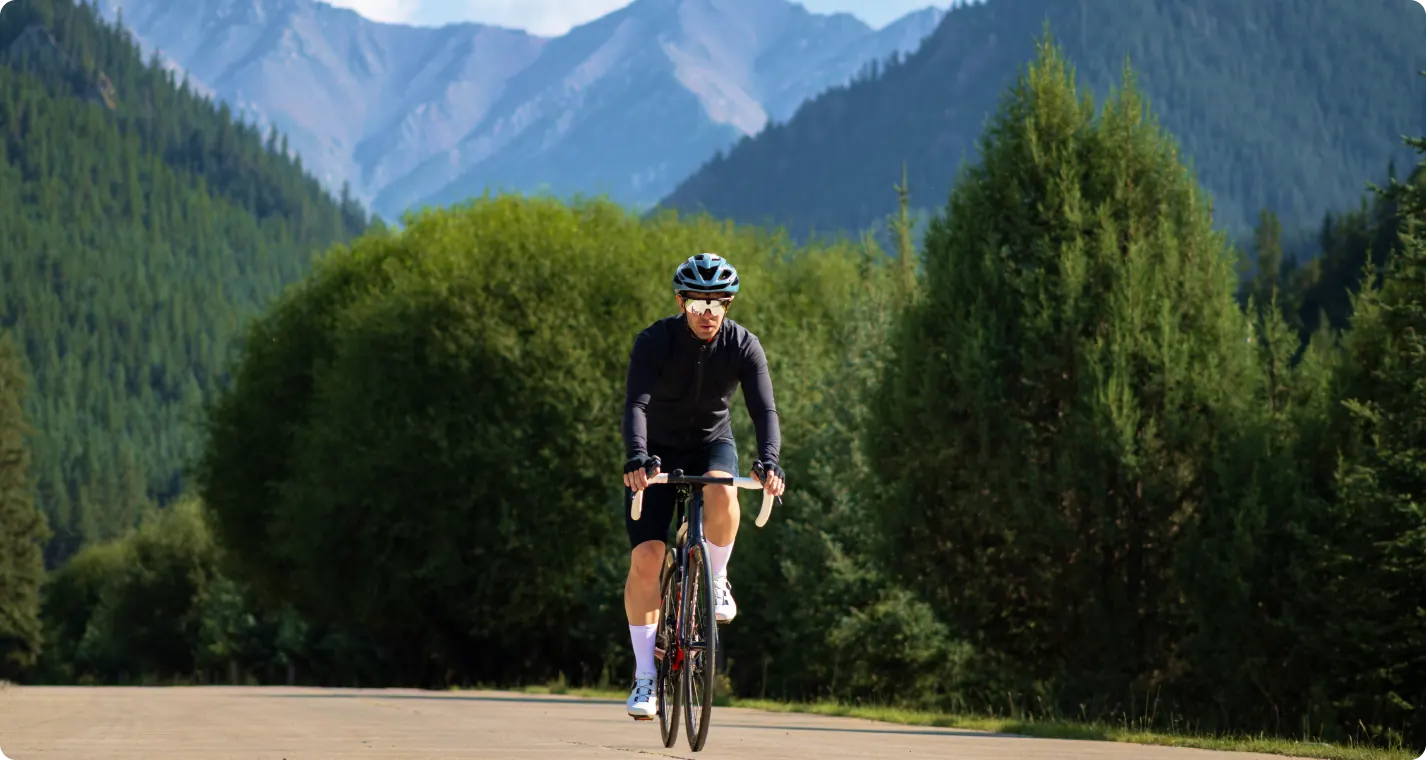
Sport sunglasses live in harder light than everyday shades: a 6 a.m. ride under trees, a noon run on bright pavement, a shaded tee box next to a sun-blasted fairway. The lens you pick decides whether you see the pothole, the root, or the break on the green. With swappable-lens glasses like BleeqUp Rover and Ranger, you don't have to choose just one.
First, understand light transmission (VLT)
Visible light transmission (VLT) is the share of light a lens lets through. A lower number means a darker lens. Sunglass lenses are grouped into filter categories by VLT under the ISO 12312-1 standard:
Shop this article
Prices in CAD. Free standard shipping over $500 CAD.
Sunglass filter categories by visible light transmission
Category
VLT
Typical use
Category 0
80 to 100%
Clear: night, heavy overcast, indoors
Category 1
43 to 80%
Low light: dawn, dusk, dense forest
Category 2
18 to 43%
Mixed and moderate sun: most rides and rounds
Category 3
8 to 18%
Bright sun, water, high summer
Category 4
3 to 8%
Glacier and high-altitude glare; not for driving
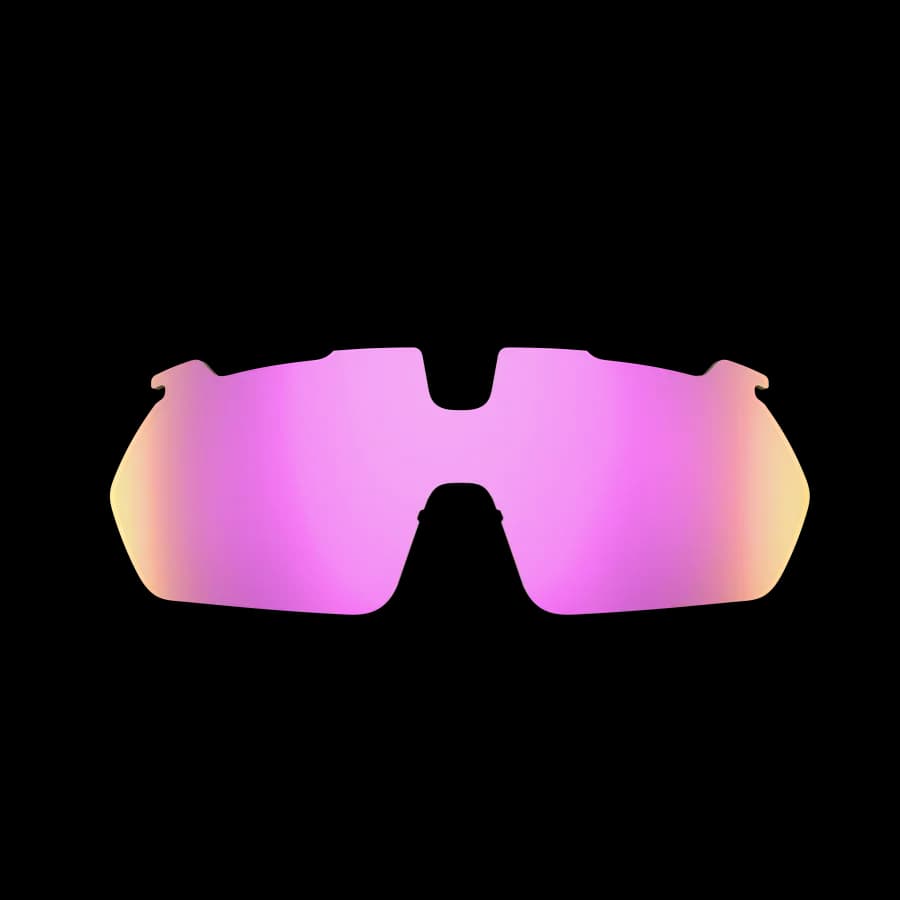
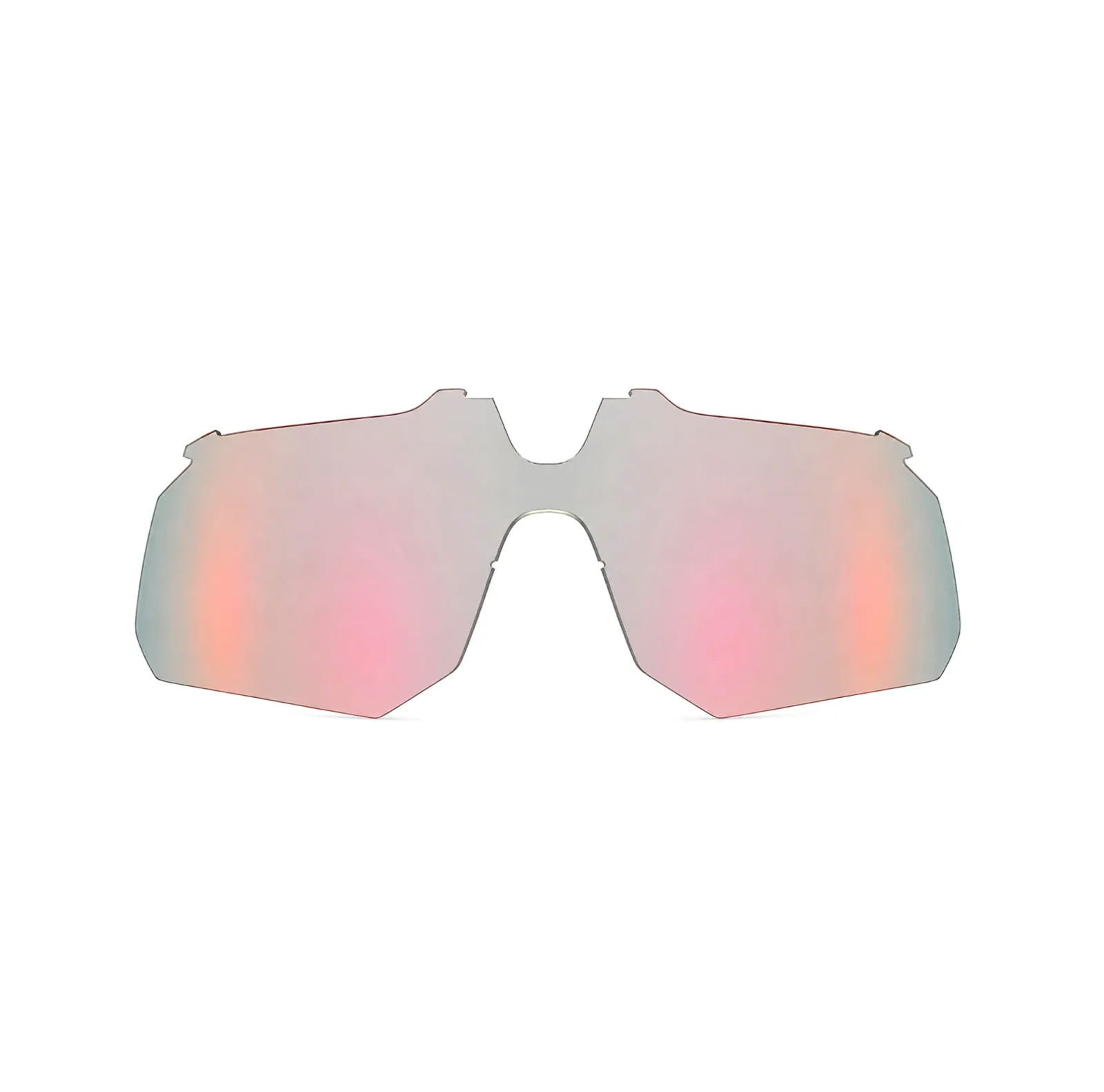
For reference, Ranger's ZEISS Orange, ZEISS Blue, and Orange Red lenses are 18 to 43% VLT (category 2), and its photochromic Black Red lens moves between 43 to 80% when clear and 18 to 43% when dark. Every BleeqUp lens is UV400, which blocks UV light whatever the tint.
Fixed-tint lenses (including ZEISS)
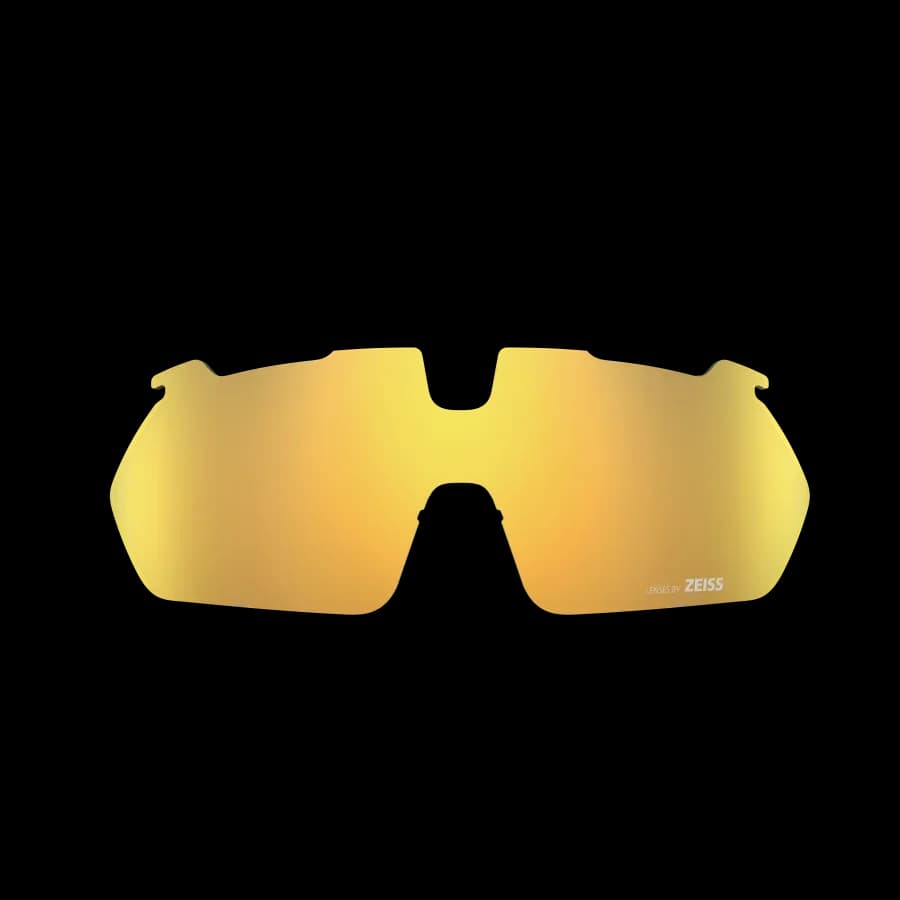
A fixed tint is always the same darkness. It's the simplest option and usually the sharpest, which is why BleeqUp's ZEISS lenses are the default on the Rover and the Ranger ZEISS edition. On Ranger, the ZEISS lenses add scratch-, water-, and oil-repellent coatings, which help when sweat and rain hit the lens.
Best for: riding and golfing in steady daylight, and anyone who wants one lens that just works.
Watch out for: deep shade and dusk, where a category 2 lens can feel dark.
Photochromic lenses
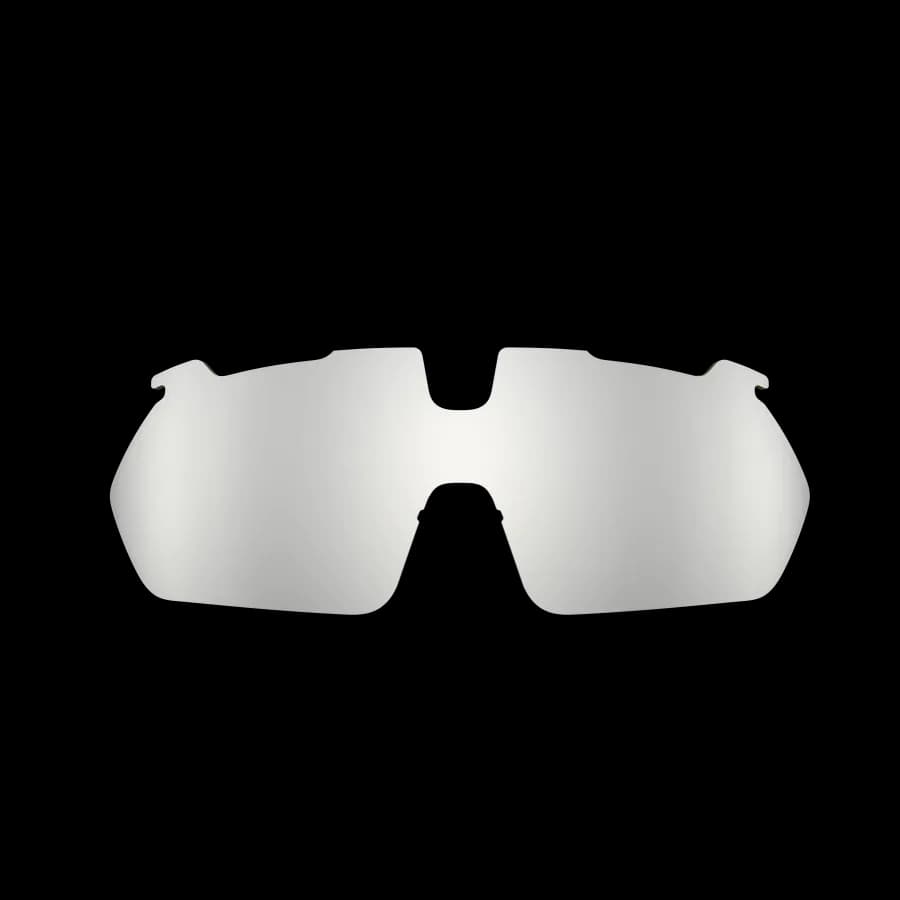
Photochromic lenses darken when ultraviolet light hits them and clear again when it fades. The Rover photochromic lens is clear in low light and darkens automatically in sunlight, so one lens covers a dawn start, a tunnel, and full sun.
Best for: long rides and runs that start early or finish late, forest trails, and changeable Canadian weather.
Know the trade-offs: the change isn't instant, and clearing usually takes longer than darkening. Temperature also matters: photochromic lenses tend to get darker in the cold and react more slowly. Because they respond to UV, they darken very little behind a car windshield.
Polarized lenses
Light reflecting off flat surfaces such as water, wet roads, and car windows becomes horizontally polarized, which is what you experience as glare. A polarized lens blocks that light. The Rover polarized lens is built for exactly this: glare off water, wet roads, and car windows.
Best for: lakeshore and coastal routes, wet roads after rain, and anyone who is sensitive to glare.
Know the trade-offs: polarization can make some LCD screens, such as bike computers and phones, look dark or patchy at certain angles. Some riders also find wet or icy patches harder to read, because the shine that signals them is what the lens removes. Some golfers prefer a non-polarized lens for reading greens; it's personal, so try both.
Which lens for your sport?
Suggested lens type by sport and conditions
Situation
Our pick
Why
Road cycling, mixed sun and shade
Photochromic
Adapts as you go in and out of shade
Dawn, dusk, or forest trails
Photochromic
Clear enough to see roots and potholes
Bright summer day, steady sun
ZEISS fixed tint
Crisp, consistent view
Lakeshore routes or wet roads
Polarized
Cuts glare off water and wet asphalt
Golf
ZEISS or photochromic
Consistent contrast; try polarized on the range first
Rides with a bike computer
ZEISS or photochromic
No polarized screen blackout
Swapping lenses on BleeqUp glasses
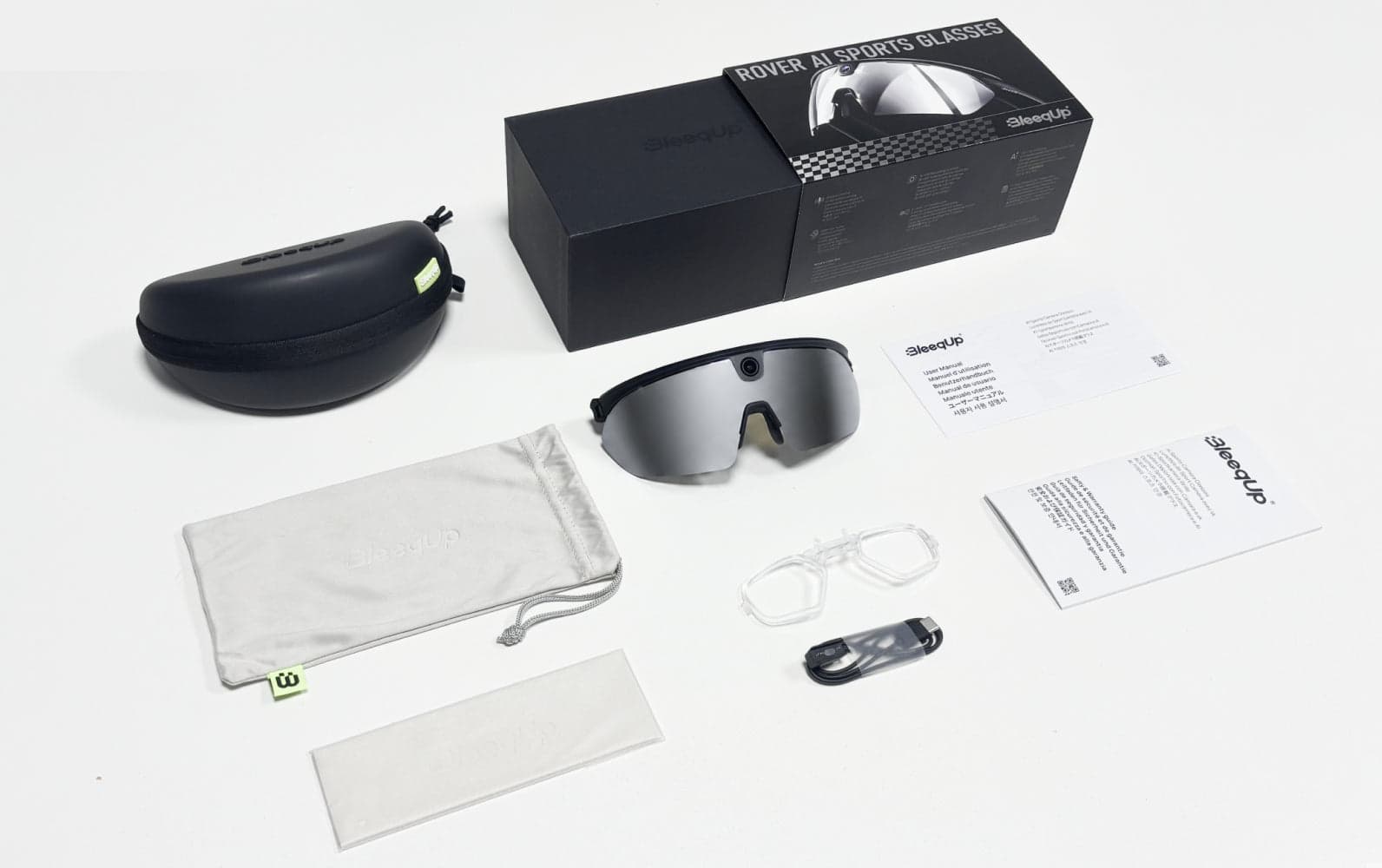
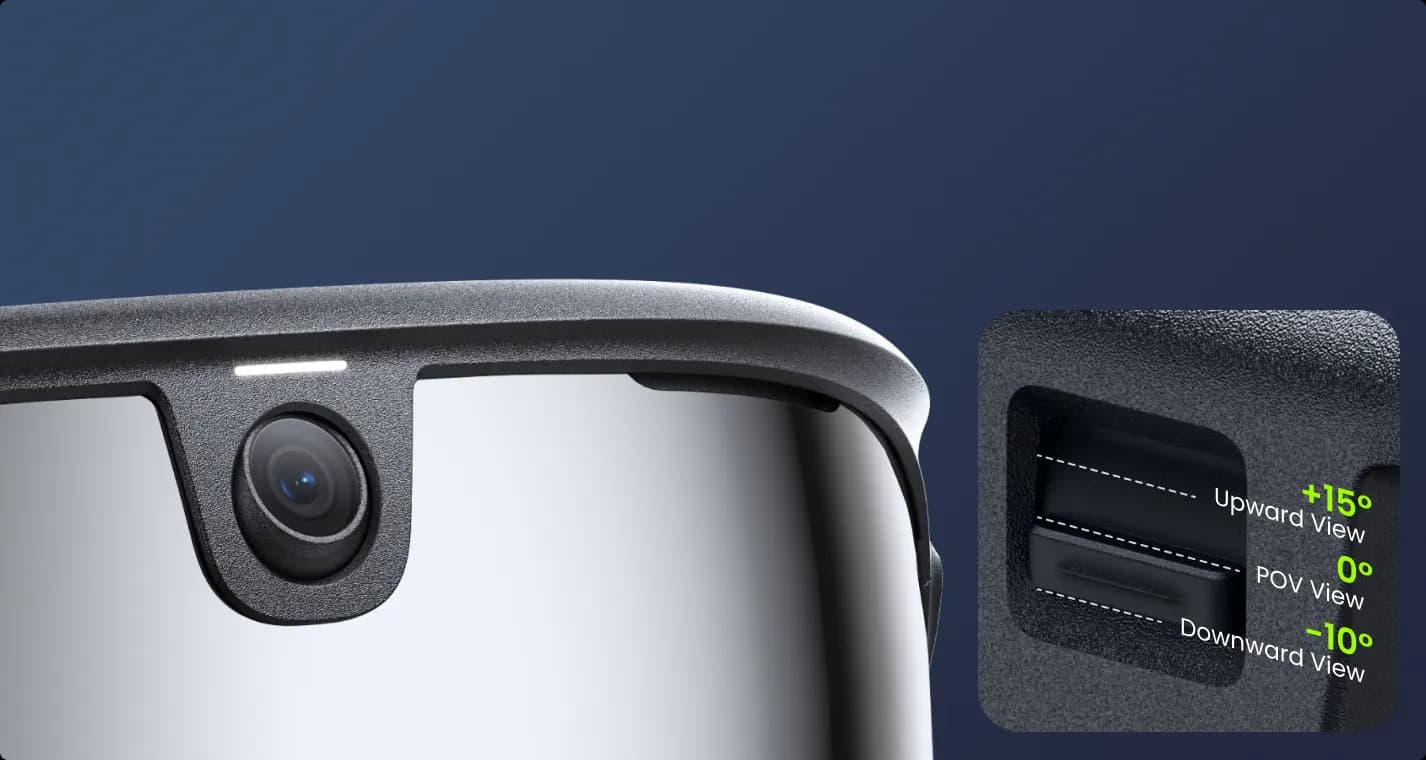
Both models take swappable lenses, but Rover and Ranger lenses are not interchangeable. Rover lenses (ZEISS, polarized, and photochromic) fit Rover only; Ranger lenses (ZEISS Orange, ZEISS Blue, Orange Red, and photochromic Black Red) fit Ranger only. Ranger lenses swap without tools. Changing the lens won't change your footage either: the camera sits in the frame, not behind the lens. One more thing to know: BleeqUp's warranty covers the glasses, not the lenses, so store spares in a case.
Need a prescription? Both models come with a prescription insert that sits behind the sport lens, so you can still swap tints. Our prescription camera glasses guide explains how it works.
Frequently asked questions
Is polarized or photochromic better for cycling?+
For most riders, photochromic. It adapts to shade and changing light and doesn't interfere with bike computer screens. Polarized is better when glare off water or wet roads is your main problem.
Do photochromic lenses work in cold weather?+
Yes. They tend to get darker in the cold and change more slowly. They also darken very little behind a car windshield, because the glass blocks most UV.
Are polarized sunglasses good for golf?+
Many golfers like the reduced glare, but some prefer a non-polarized lens for reading greens. Try both on the practice green before you commit.
Do Rover lenses fit Ranger?+
No. Rover and Ranger lenses are not interchangeable. Each model has its own ZEISS, photochromic, and other lens options.